
The British Plastics Federation (BPF) EPS Group has published its EPS Recycling Roadmap. The roadmap sets out how the UK can raise the recycling rate of expanded polystyrene (EPS) packaging from 61% today to 68% by 2030 and 80% by 2035.
EPS is already one of the UK’s best-recycled plastic packaging materials. In 2024, an estimated 61% of EPS packaging was recycled. The roadmap covers EPS’s two main sectors, packaging and construction, and shows how to build on that progress. It identifies where EPS is used, where it is not yet collected, and what industry and government need to do to drive towards a circular economy.
Around 18,000 tonnes of EPS packaging is placed on the UK market each year. That is less than 1% of all UK plastic packaging. EPS is light and protective, and it insulates well. These qualities make it hard to replace in several applications:
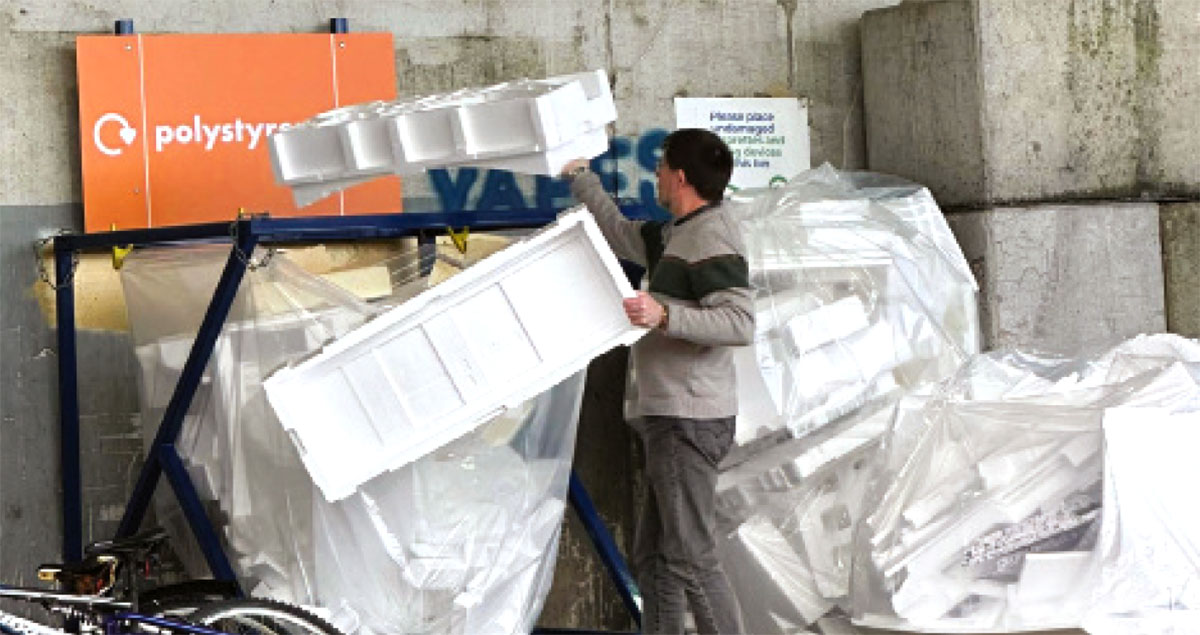
Most EPS packaging is used in commercial settings such as fish markets, supermarket back-of-store areas and hospitals. In these settings, it is clean and easy to collect in a single-material stream through dedicated business collections. Consumer EPS, which mostly arrives with goods delivered to the home, is collected through retailer takeback schemes and a few limited household waste recycling centres.
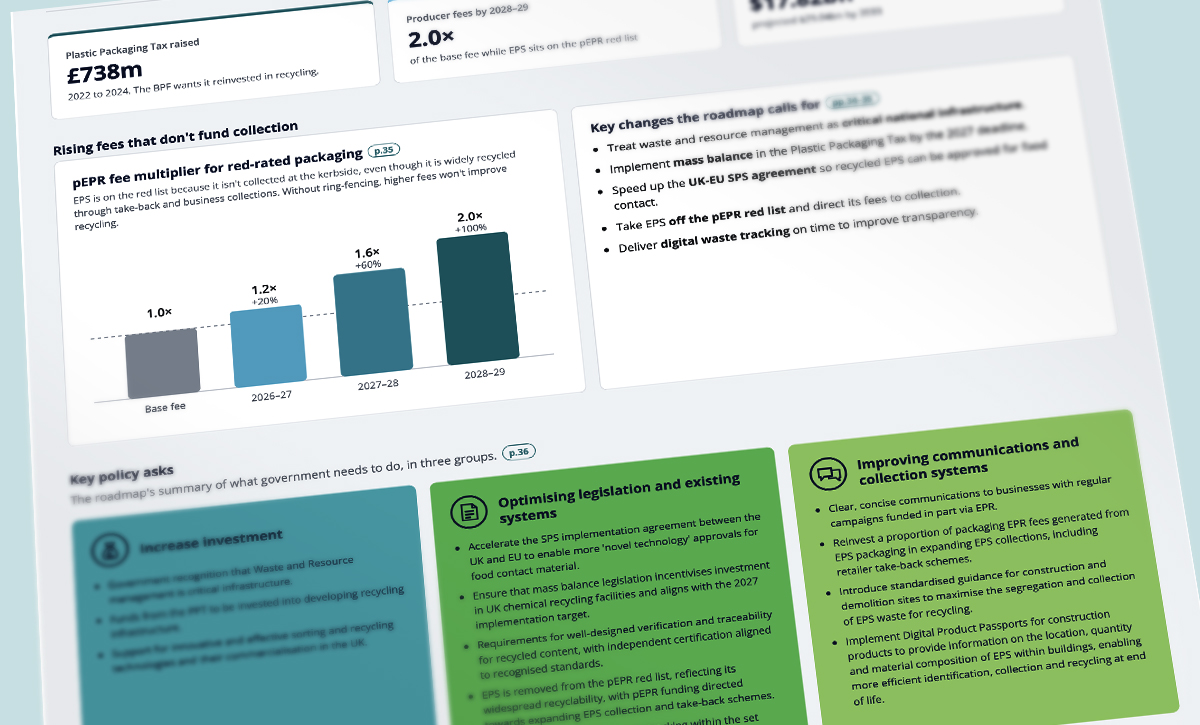
The roadmap sets two milestones: a 68% recycling rate by 2030 and 80% by 2035. Most of the extra tonnage will come from collecting more consumer and shape-moulded EPS, which is currently the least-recovered category. Recycling of the commercial streams that already perform well will also continue to grow.
The roadmap identifies four enablers to reach these milestones:
The roadmap also includes case studies from across the value chain demonstrating that EPS is already being recycled into new packaging, insulation and other products.
The roadmap covers EPS’s two main sectors: packaging and construction. For packaging, it sets firm targets from a baseline recycling rate of 61%. For construction, the larger market, it outlines how to increase recycling and measure progress.
Shape-moulded packaging offers the greatest opportunity to increase recycling. It is the second-largest packaging application, yet less than a third is collected through existing take-back schemes. Expanding retailer take-back and opening more collection depots could make the largest contribution to improving the overall recycling rate by 2035.
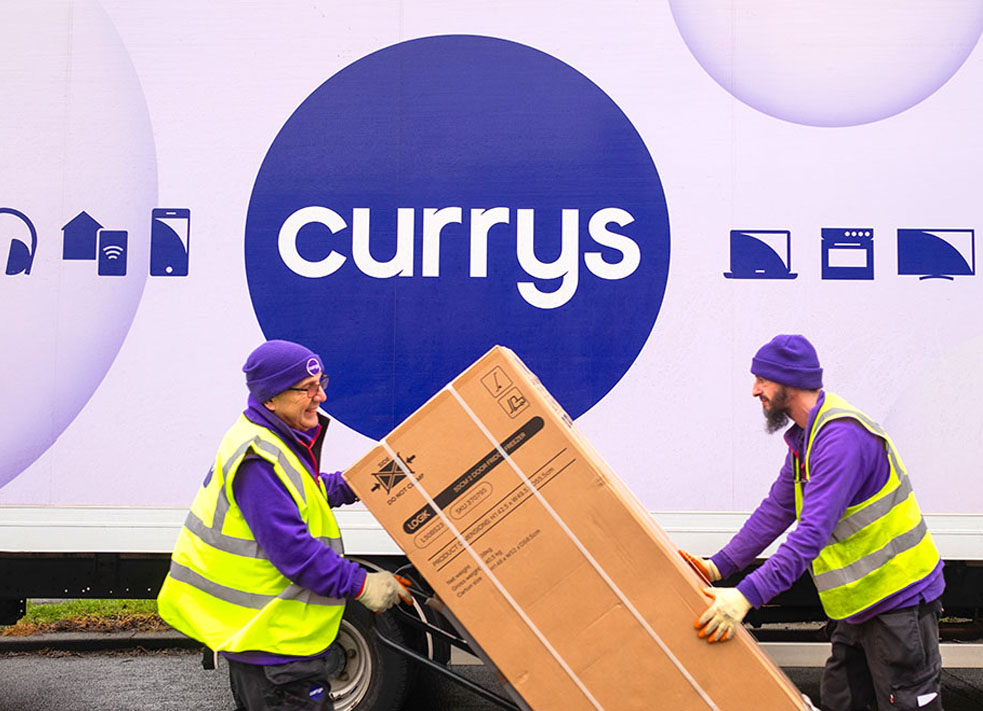
Currys already shows how this can work. Its delivery teams unbox large appliances in customers’ homes and take the EPS back through existing delivery routes. They then compact it into briquettes for recycling into insulation.
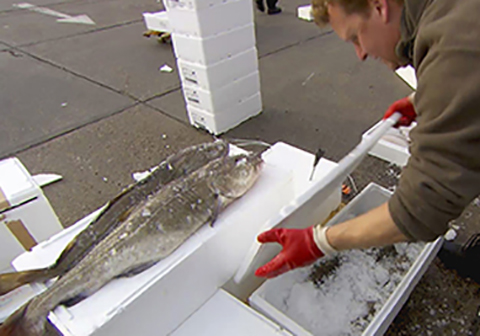
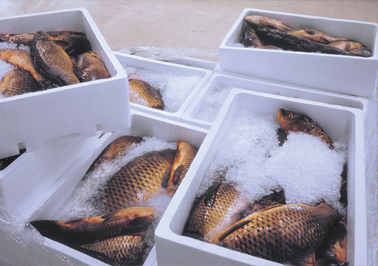
Fish boxes already have an established recycling route, with regional distribution centres at fish markets often compacting used boxes on site before sending them for recycling. The roadmap focuses on strengthening this system through broader business collections and investment in recycling infrastructure.
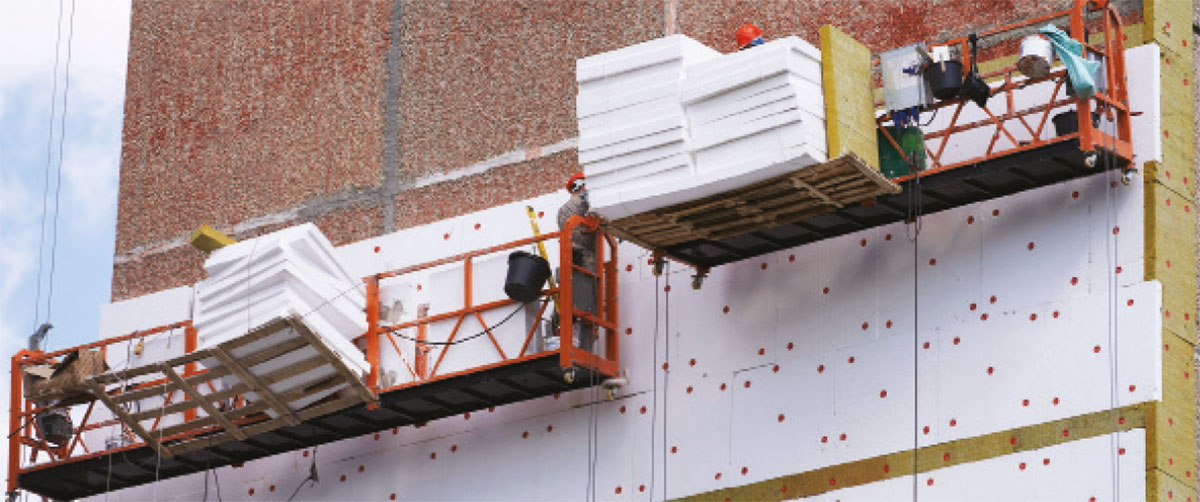
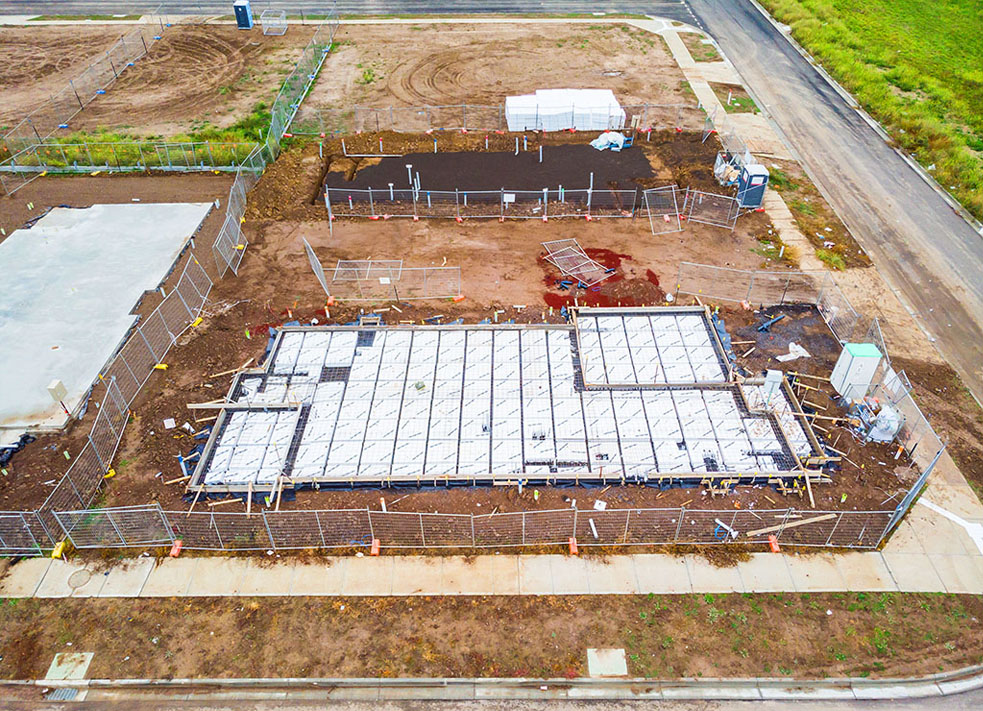
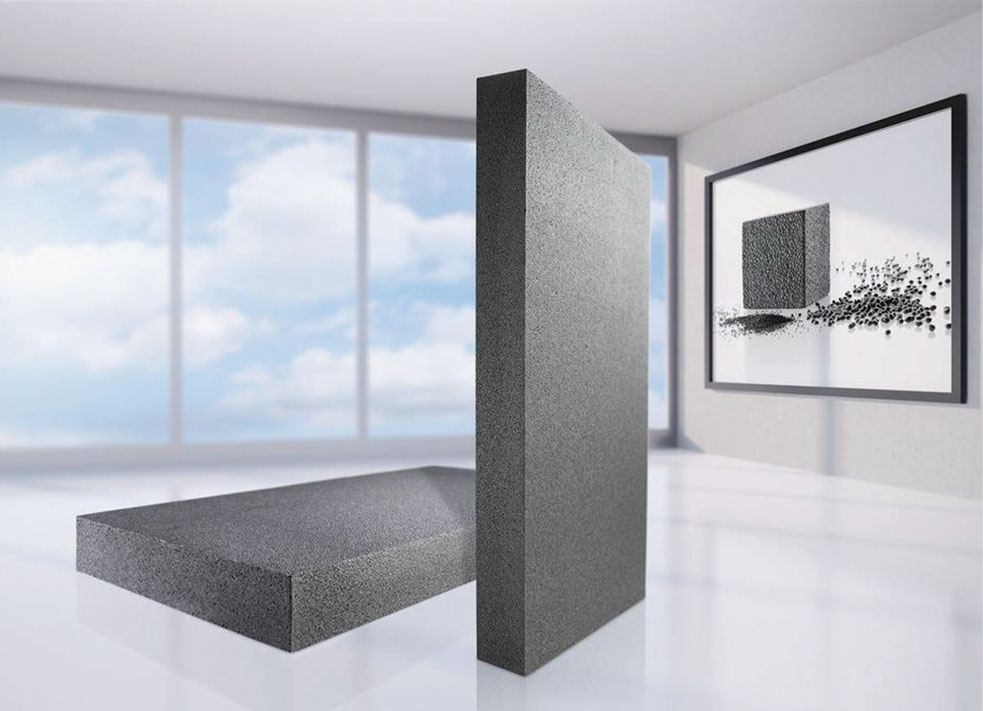
Construction is the largest market for EPS. Around 41,000 tonnes were placed on the UK market in 2024, mostly as insulation for homes and buildings. Demand will grow as the Future Homes and Buildings Standard raises insulation requirements from 24 March 2027. That will also mean more clean site offcuts that can be collected and recycled.
Site offcuts are already being recycled and turned back into new insulation. The BASF and BEWI case studies in the roadmap show recycled EPS going into new insulation products. The roadmap sets out clear ways to capture more material and build a baseline for future targets:
Demolition waste is the next opportunity. The PSLoop pilot project has shown that solvent-based recycling can remove the legacy flame retardant HBCD from demolition waste and turn it back into insulation products. This provides an opportunity to recycle EPS from older buildings.







 British Plastics Federation