
The UK government’s ambitious Warm Homes Plan has been widely welcomed across the construction and insulation sectors, with the expanded polystyrene (EPS) industry viewing it as a landmark opportunity to accelerate energy efficiency improvements and support the transition to low-carbon housing.
Backed by up to £15 billion in public investment, the Warm Homes Plan represents the largest government commitment to home energy upgrades in British history. Its central aim is to improve the energy performance of millions of homes through a combination of insulation, low-carbon heating systems, and renewable technologies. For the EPS industry, the strong emphasis placed on insulation is particularly significant, reinforcing the long-standing view that improving the building fabric must come first in any successful decarbonisation strategy.
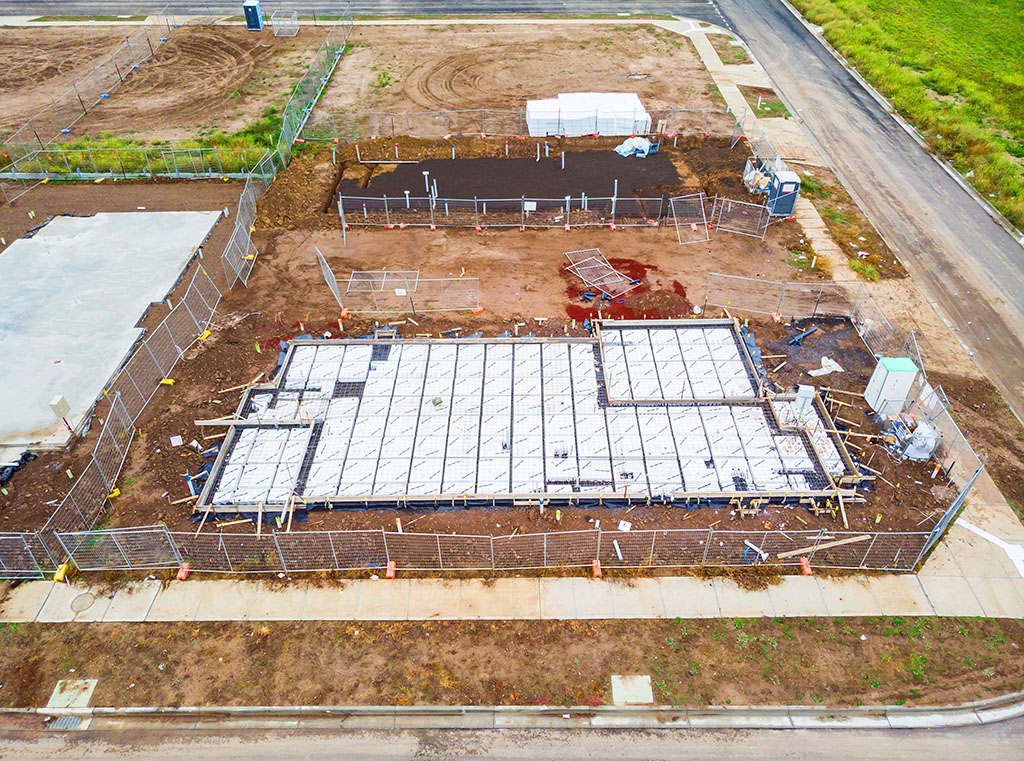
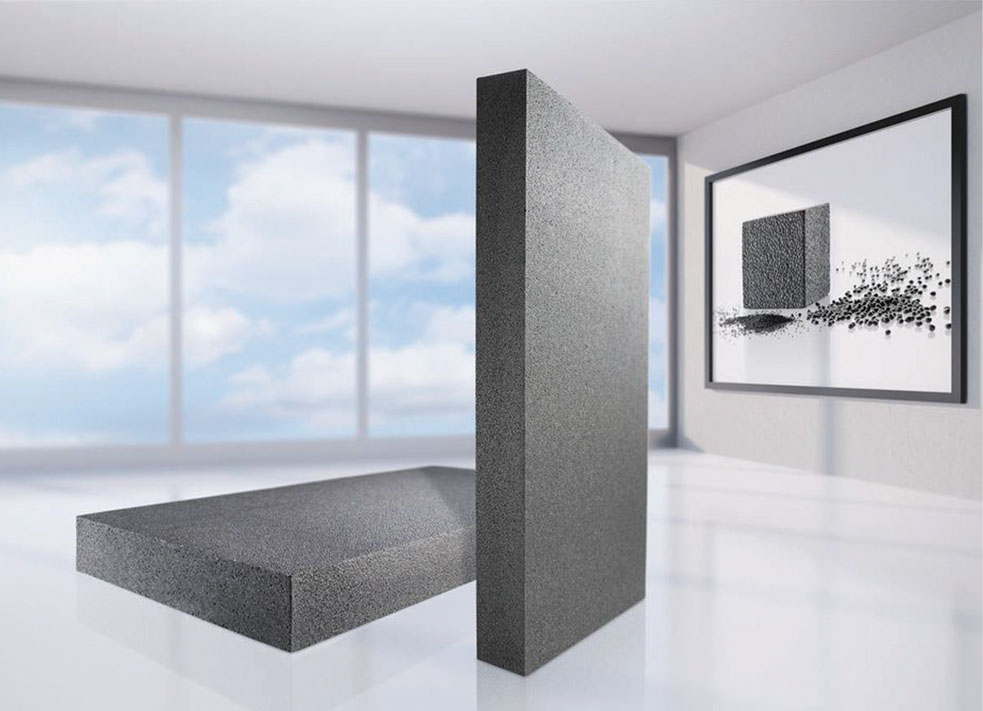
EPS insulation has long been recognised for its thermal efficiency, durability, moisture resistance, and cost-effectiveness. As the government targets the upgrade of up to five million homes by 2030, the need for scalable and proven insulation solutions will become increasingly important. Industry stakeholders have consistently argued that technologies such as heat pumps and solar panels can only perform effectively when installed within well-insulated buildings. Without reducing heat loss through walls, roofs, and floors, the overall efficiency and long-term value of low-carbon technologies are significantly diminished.
The Warm Homes Plan also places considerable focus on reducing household energy bills and tackling fuel poverty. Government estimates suggest that energy efficiency improvements could save households hundreds of pounds annually, providing much-needed relief during a period of continued pressure on energy costs. EPS insulation plays a direct role in achieving these savings by reducing overall energy demand and delivering long-term thermal performance. From the industry’s perspective, the combination of grants, low-interest loans, and targeted support for low-income households is particularly encouraging, as it broadens access to energy efficiency upgrades across all housing tenures.
Beyond the environmental and social benefits, the policy is also expected to provide a major boost to UK manufacturing, supply chains, and skills development. Long-term policy certainty gives manufacturers and suppliers greater confidence to invest in production capacity, innovation, and workforce training. For the EPS sector, this creates opportunities not only to expand manufacturing capability but also to support the development of high-quality installation standards across the retrofit market.
The Warm Homes Plan also aligns closely with wider regulatory developments surrounding sustainability, carbon reduction, and circular economy principles. In recent years, the EPS industry has made significant progress in improving recyclability, increasing recycled content, and supporting robust life-cycle assessments that demonstrate the material’s long-term environmental benefits. As construction product regulations continue to evolve, EPS manufacturers are increasingly focused on balancing high performance with affordability and sustainability.
While the overall response from the industry has been strongly positive, there remains a clear recognition that the success of the Warm Homes Plan will depend on consistent long-term delivery. Industry voices continue to stress the importance of maintaining insulation at the heart of the strategy, rather than focusing solely on low-carbon technologies. Equally important will be ensuring sufficient investment in installer training, quality assurance, and supply chain readiness to meet the scale of demand anticipated over the coming years.
Overall, the EPS industry sees the Warm Homes Plan as a transformative step toward improving the UK’s housing stock and accelerating progress toward net zero. By combining financial support, regulatory direction, and a strong focus on energy efficiency, the policy creates a framework in which insulation – and EPS in particular – can play a central role in delivering warmer homes, lower energy bills, and a more sustainable built environment for the future.









 British Plastics Federation