
Expanded polystyrene (EPS) is a lightweight, durable and moisture-resistant material that offers excellent thermal insulation, high compressive strength, and long-term performance. Due to these properties, it is widely used as a material of choice in many sectors, including packaging, construction, automotive, the arts and many more.
EPS is a material that has been used for decades since it was invented in 1949 by BASF chemical engineer Fritz Stastny and has continued to evolve with a changing world. It is a highly versatile material that ongoing innovations have enabled to evolve into a reliable and efficient solution for a wide range of applications. To explore how EPS has evolved, take time to visit the EPS Innovation Timeline, where you can discover how ongoing research and technological advancements have transformed the material into a range of innovative and exciting applications, alongside a few fun facts.
In construction, EPS is a widely used insulation material thanks to its remarkable versatility. Its lightweight, durable, and moisture-resistant properties, combined with excellent thermal performance, make it easy to handle on site while delivering reliable, long-lasting insulation for a variety of building applications.
EPS helps maintain consistent indoor temperatures and reduces energy costs by minimising heat loss. On roofs and floors, it provides thermal and acoustic insulation while remaining lightweight enough not to add excessive structural load. When used in foundations, EPS not only insulates against ground-cold penetration but also offers moisture resistance and long-term durability. Its adaptability makes it a go-to material for both residential and commercial construction projects, allowing architects and builders to achieve energy-efficient, comfortable, and sustainable buildings.
The EPS industry has continued to innovate over the decades, and in the 1990s, athermal additives were first used in EPS insulation to enhance the properties of the material.
Credit: Synthos
Credit: Synthos
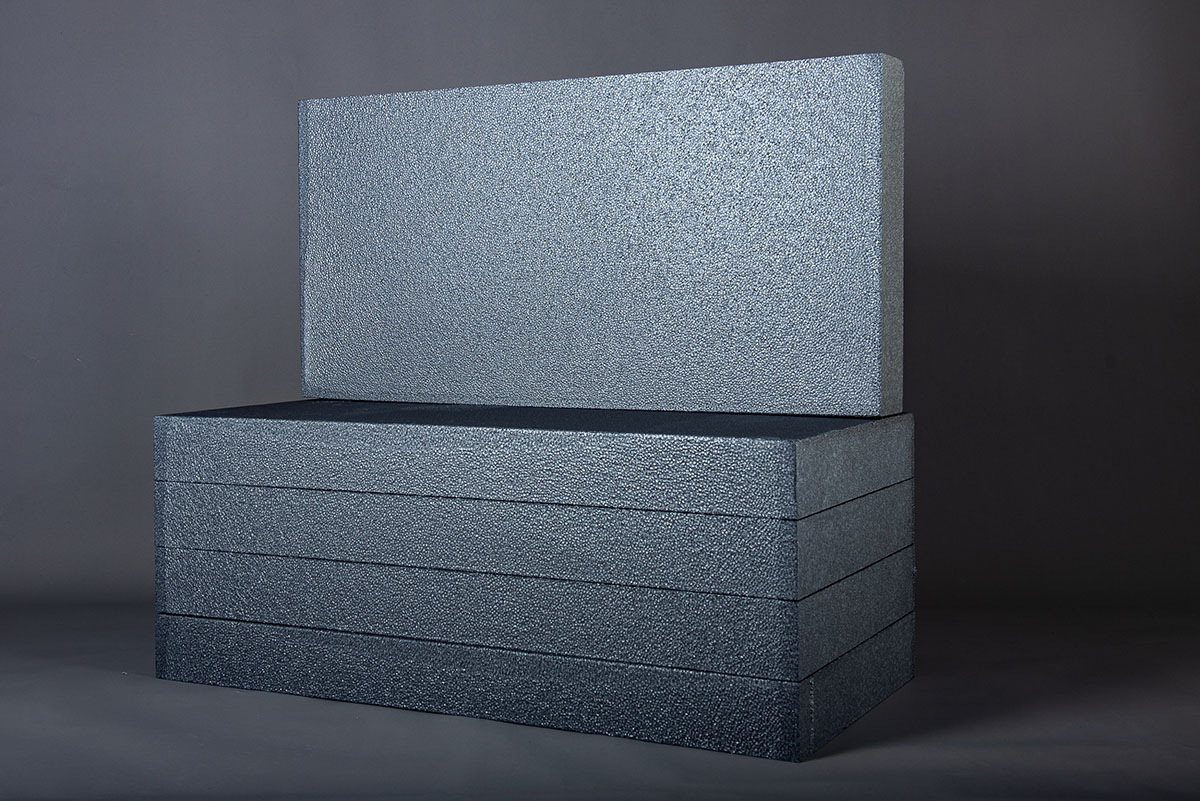
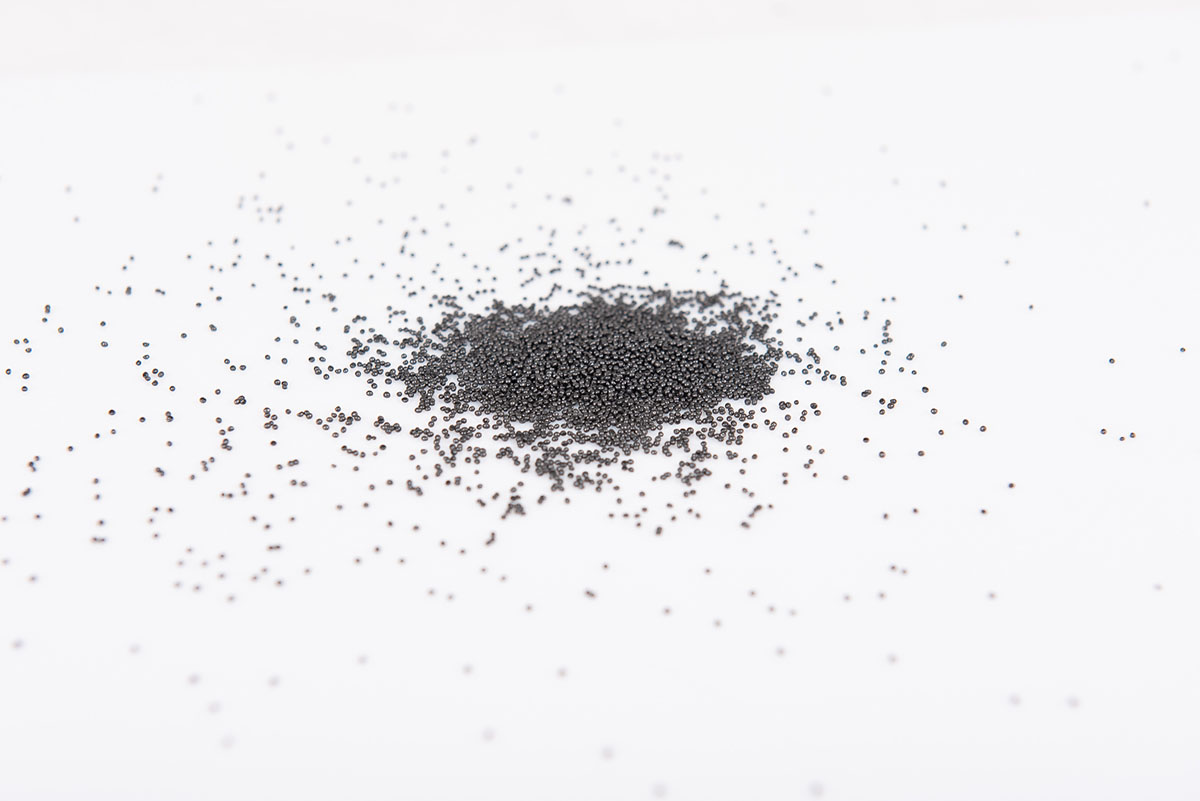
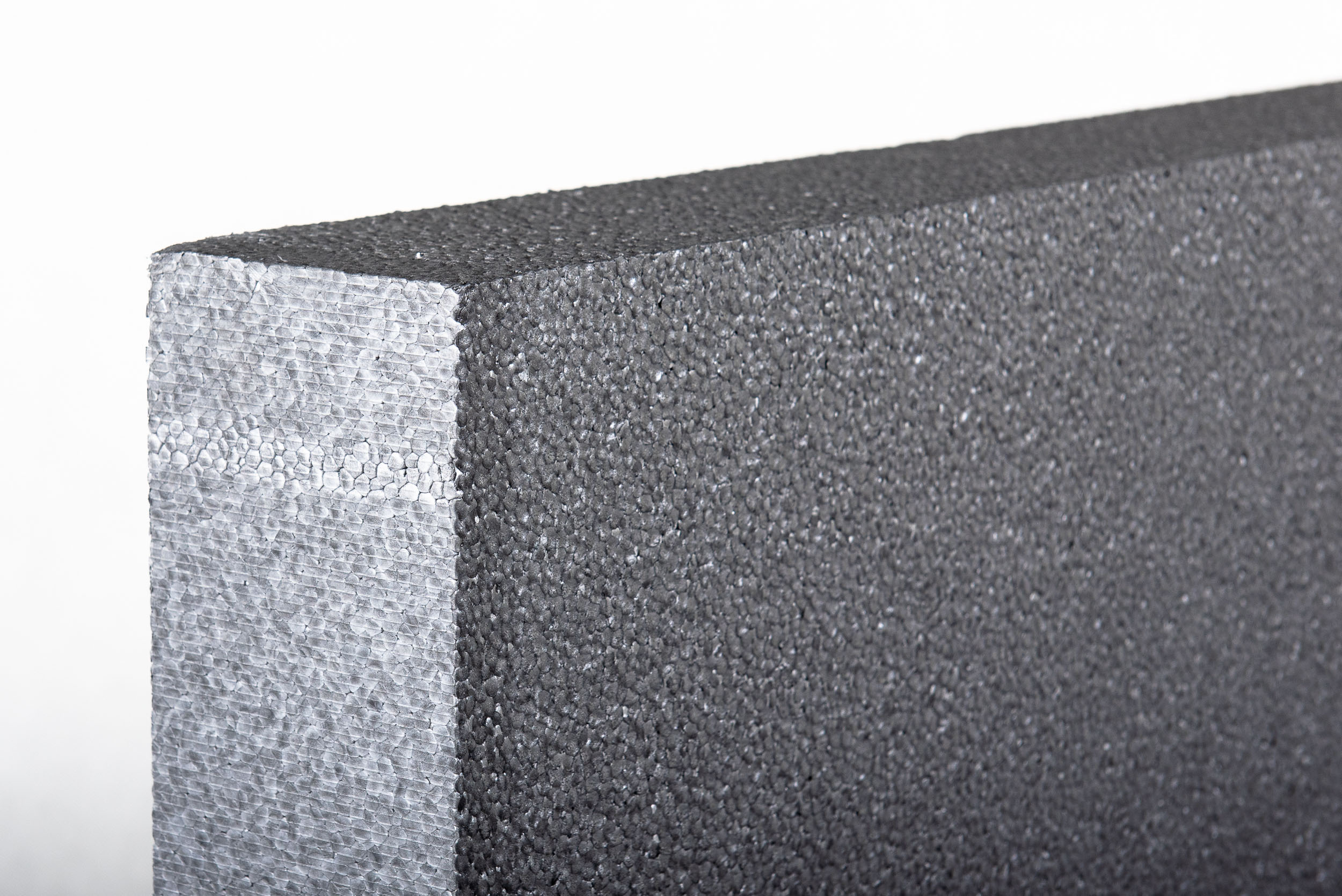
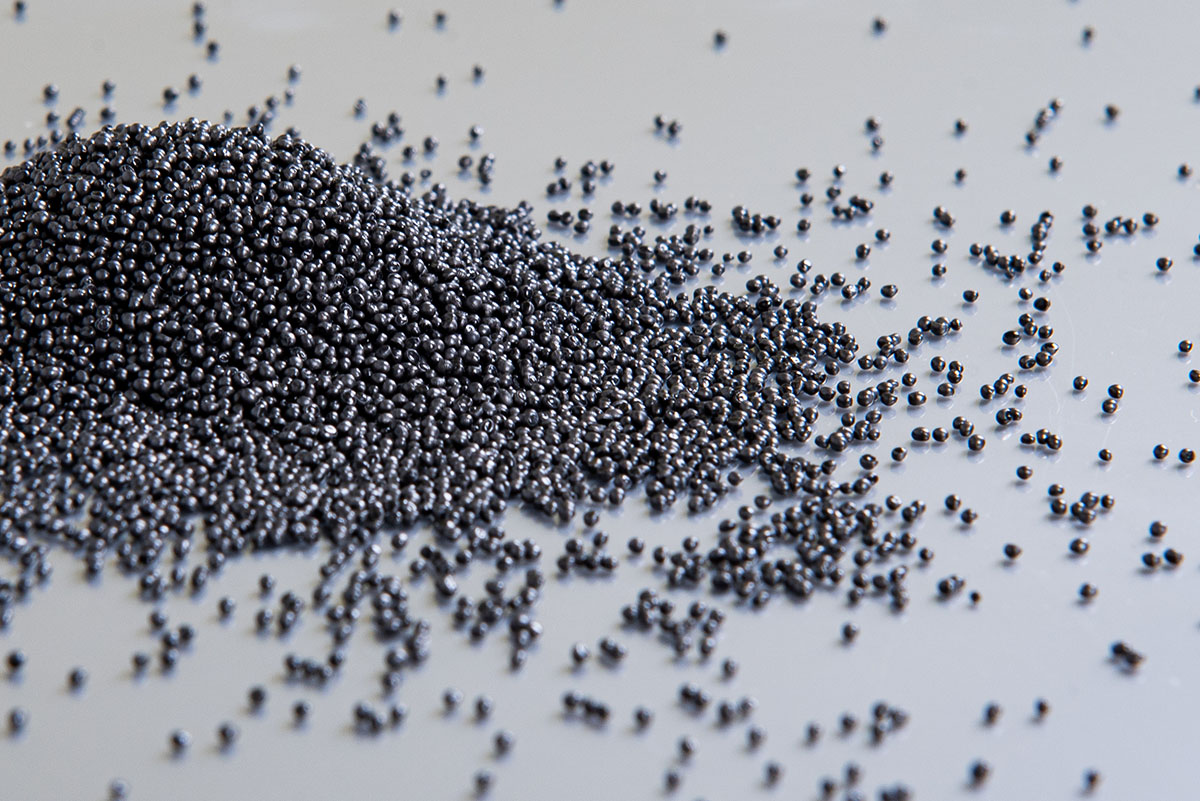
Athermal additives are typically graphite or other carbon-based materials that are incorporated into polystyrene beads during the manufacturing process. Unlike traditional white EPS, which reflects thermal radiation, grey EPS both absorbs and reflects infrared radiation within its cellular structure. This reduces radiative heat transfer between the cells, thereby enhancing insulation performance and lowering thermal conductivity. As a result, the material helps maintain more stable temperatures in building applications. It can also offer increased compressive strength, enhancing durability under load. The presence of these additives is easily identifiable, as the material appears grey in colour.
They also provide an additional functional benefit by enhancing UV resistance, as they absorb and block ultraviolet radiation, helping to prevent yellowing and material degradation. These additives can be combined with fire-retardant additives, helping to meet building regulations and improve safety in residential and commercial buildings.
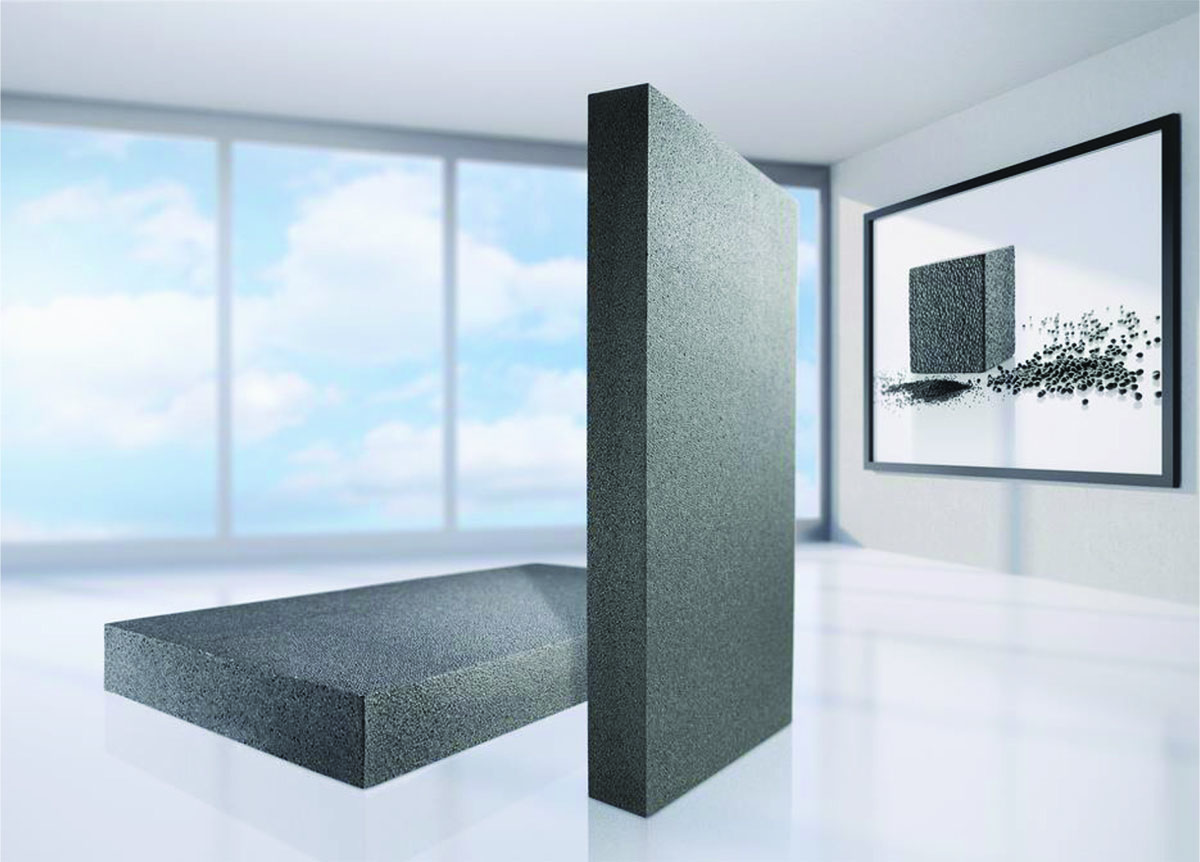
Grey EPS has a lower thermal conductivity than standard white EPS, which means that a thinner layer of material is needed to achieve the same U-value. In some cases, 20% thinner insulation boards have been used, saving resources in production while maintaining full insulation performance.
These additives improve thermal efficiency, allowing architects and builders to reach required performance standards with less material, ultimately maximising usable space while reducing both construction costs and resource use.
This efficiency is best understood through the concept of the U-value, a key measure of how well a building element resists heat transfer. Expressed in watts per square metre per kelvin (W/m²K), the U-value indicates how much heat passes through elements such as walls, floors, roofs, or windows for each degree of temperature difference between the interior and exterior. The lower the U-value, the better the insulation performance, resulting in reduced heat loss and improved overall energy efficiency.
Credit: Synthos
Credit: Synthos
By improving energy efficiency in buildings, grey EPS contributes to up to 50% lower carbon emissions over the building’s lifetime.
Grey EPS is fully recyclable, enabling it to be recycled into new insulation products or other applications, helping to reduce construction waste and support more sustainable building practices. Looking to recycle EPS? Explore our EPS Recyclers Map to find recyclers across the UK, complete with their contact information and locations.
 A comprehensive list of EPS recycling centres near you
 Easy-to-navigate features to find drop-off locations and contact details
 A step forward in reducing waste and promoting a circular economy
EPS grey additives represent a technological advancement in insulation materials, combining enhanced thermal performance, fire safety, and environmental benefits. For the construction sector, choosing grey EPS can reduce energy costs, optimise building space, and contribute to sustainability targets, making it an increasingly popular choice among architects, engineers, and developers.
Check out the latest video on EPS in Construction to learn more.
 British Plastics Federation